The Great Migration
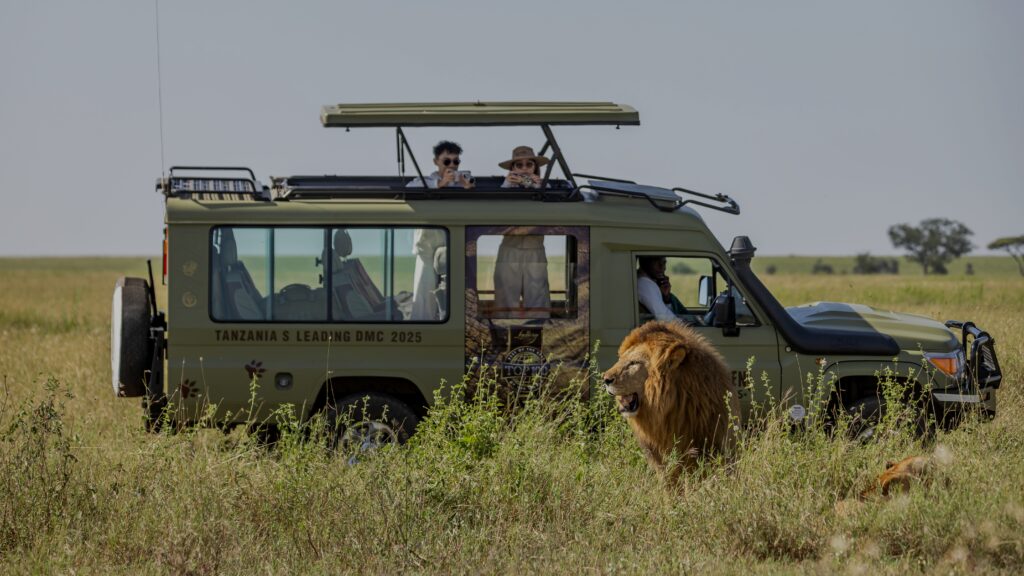
Follow one of the world's greatest wildlife spectacles as more than 1.5 million wildebeest move across the Serengeti ecosystem throughout the year.
What Is The Great Migration?
The Great Migration is the annual movement of more than 1.5 million wildebeest, together with hundreds of thousands of zebras and gazelles, across the Serengeti ecosystem.
Contrary to popular belief, the migration is not a single event. It is a year-round cycle, with wildlife moving through different parts of the Serengeti depending on rainfall, grazing conditions, and seasonal patterns.
This means there is no single best time to visit. The best safari depends on what you want to experience.
Can You See The Full Migration In Tanzania?
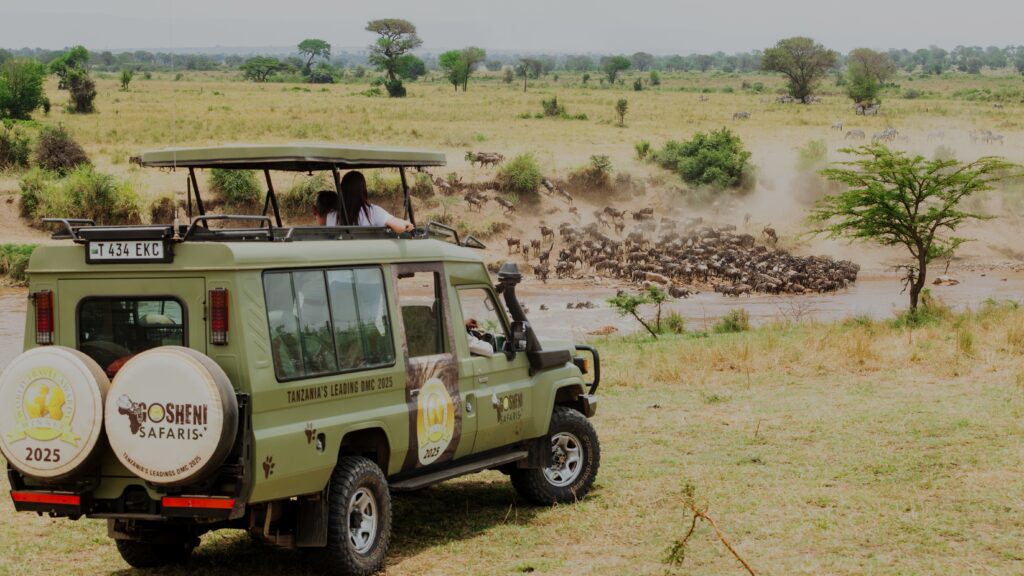
The wildebeest spend the majority of the year on the Tanzanian side of the ecosystem. The entire calving season, the Grumeti River crossings, and a significant portion of the Mara River crossings all happen within Tanzania's borders.
The northern Serengeti puts you at the heart of the Mara River crossings — the most dramatic moment of the entire migration.
Plan My Tanzania Safari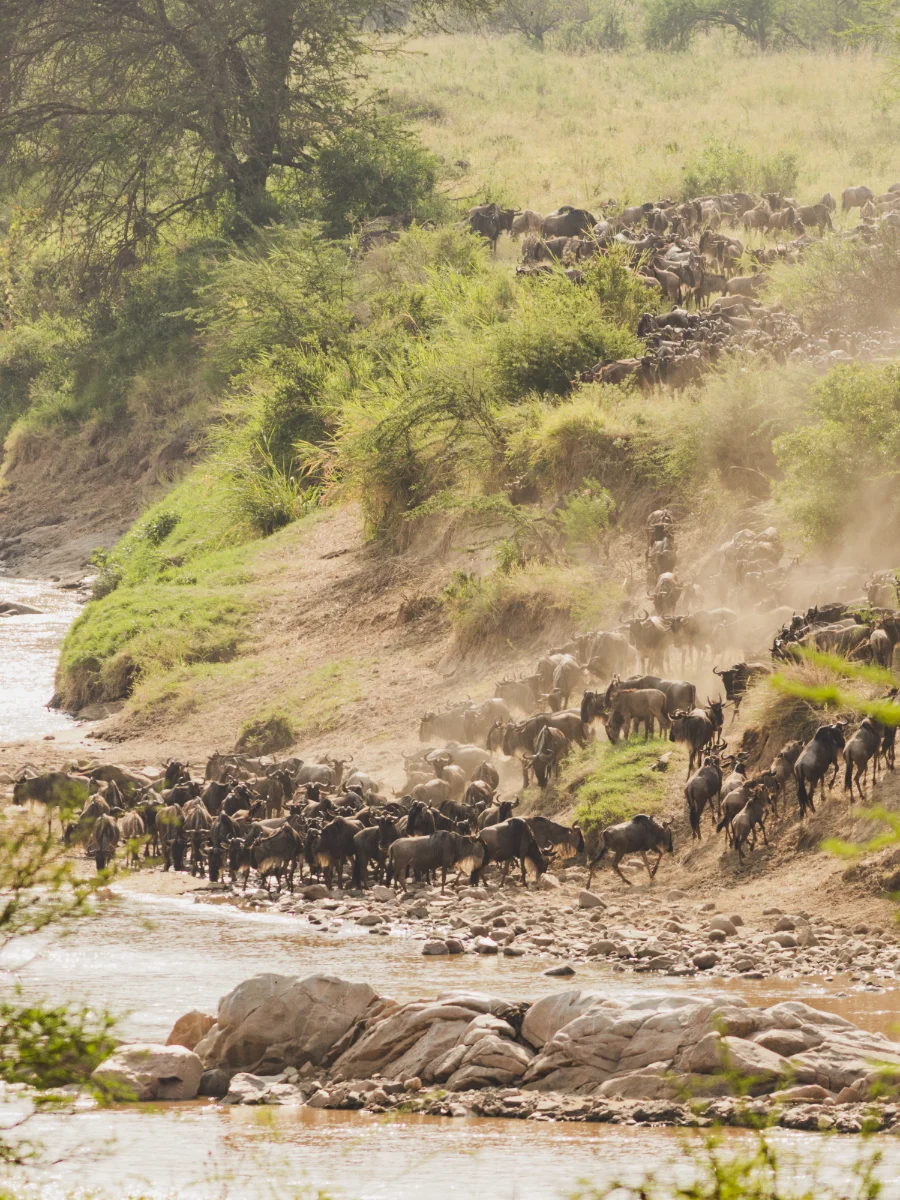
The Migration Calendar
The migration moves throughout the year. Select a season to see what to expect and which safari fits your dates.
Calving Season
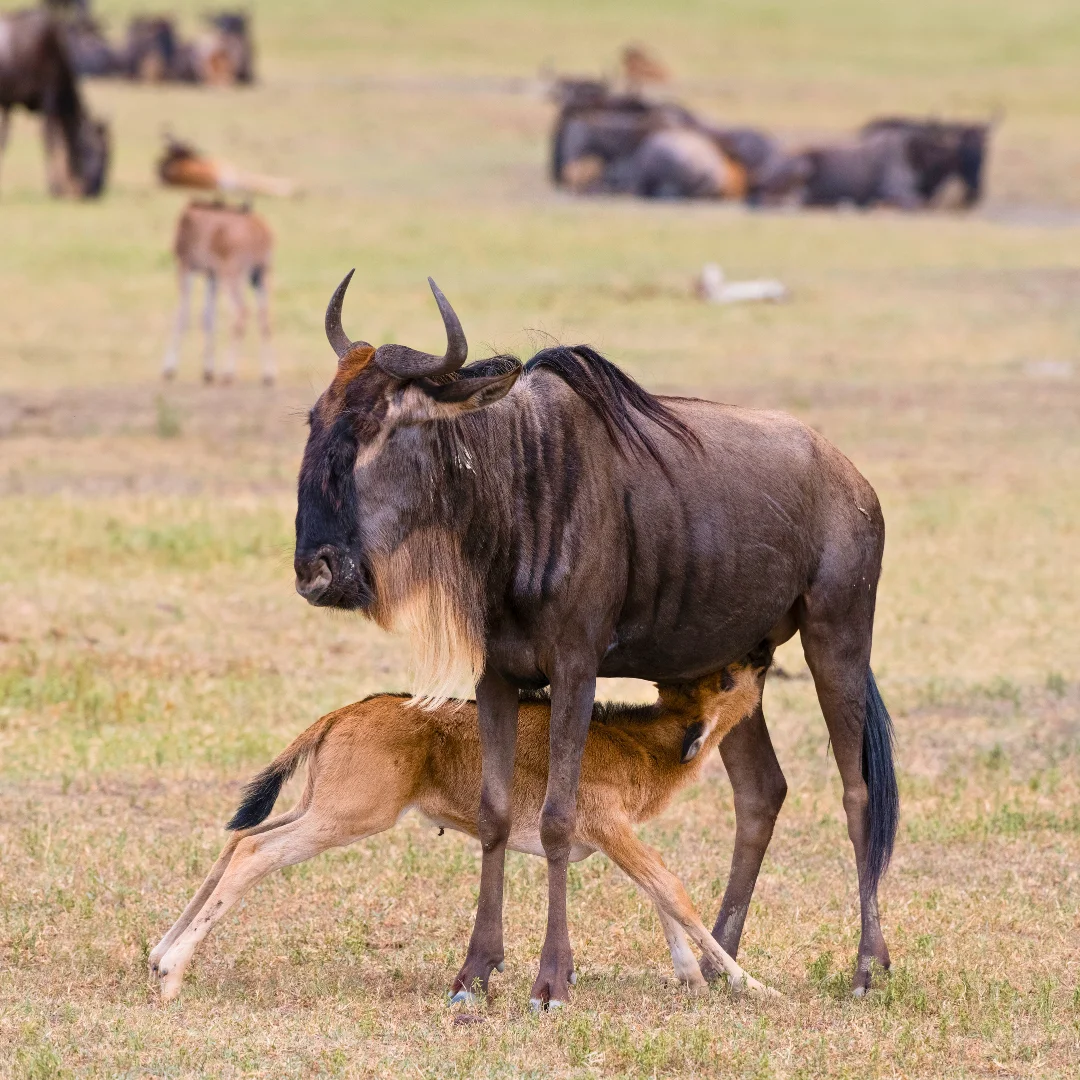
Thousands of wildebeest calves are born every day during this period, attracting lions, cheetahs, hyenas, and other predators. One of the most emotionally powerful wildlife experiences of the year.
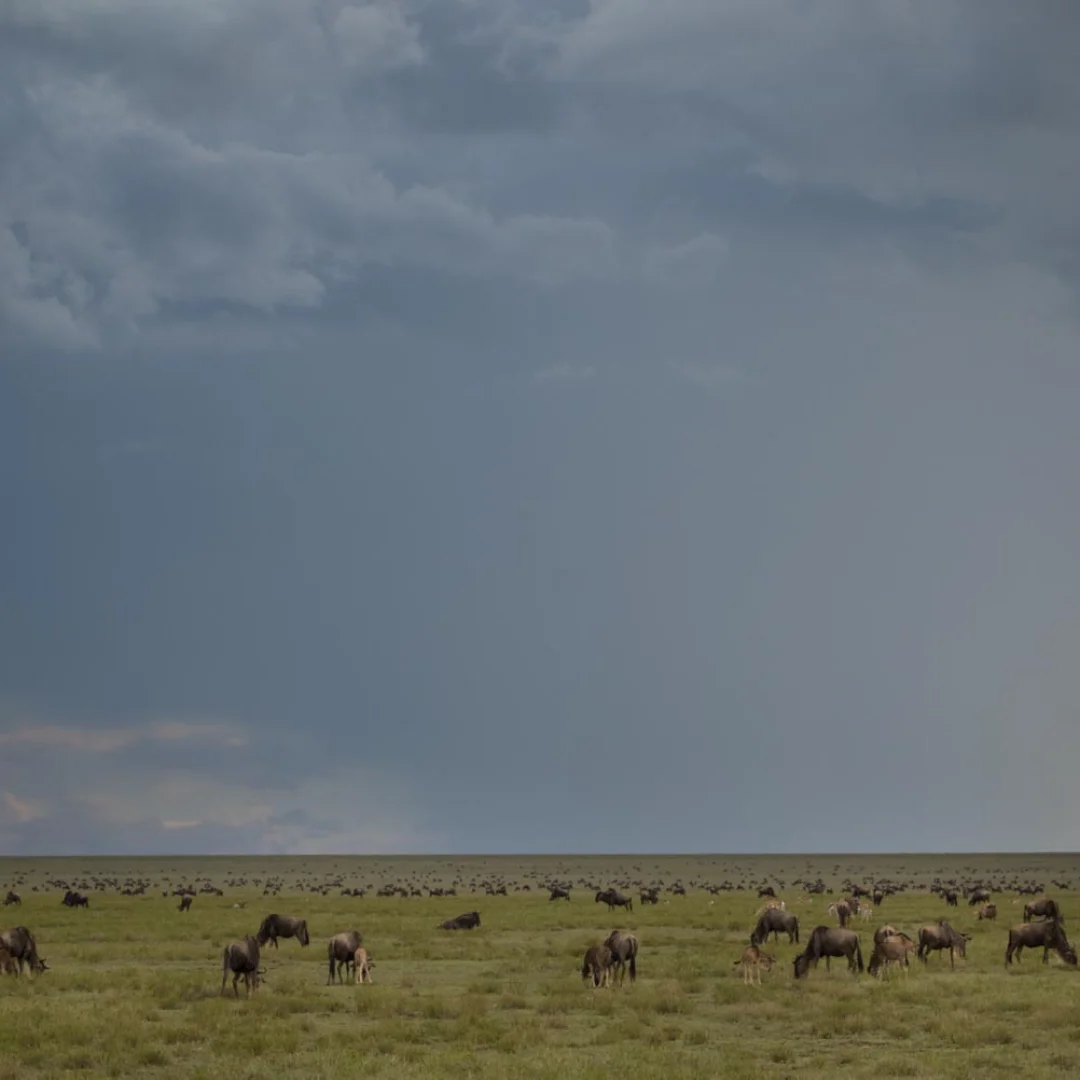
Western Corridor
The herds begin moving north and west in search of fresh grazing. Fewer crowds and excellent game viewing. The Grumeti River crossings begin, a quieter, more exclusive experience of the migration.
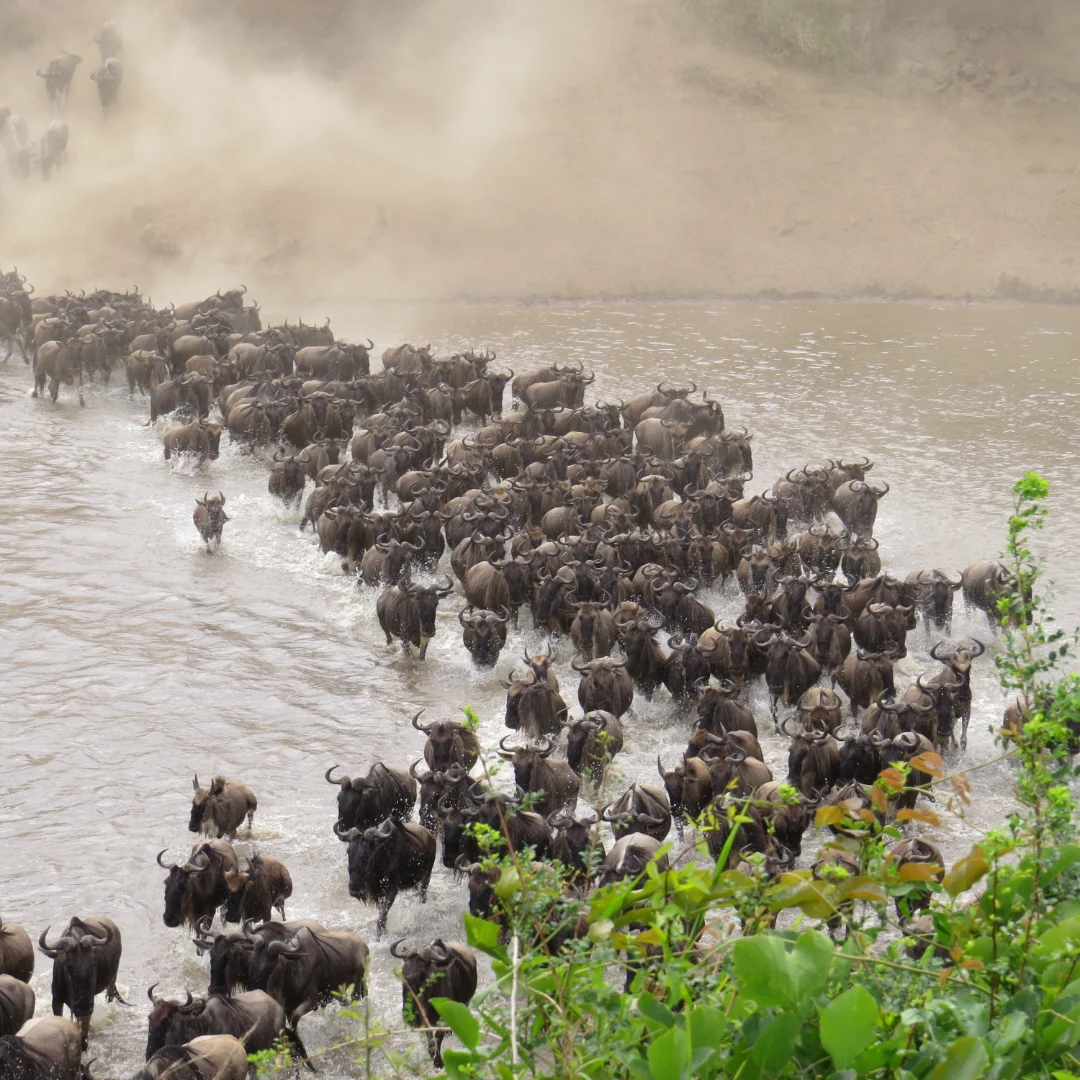
River Crossing Season
The famous Mara River crossings take place as the herds attempt to cross crocodile-filled rivers. This is peak migration season and the most in-demand period of the year.
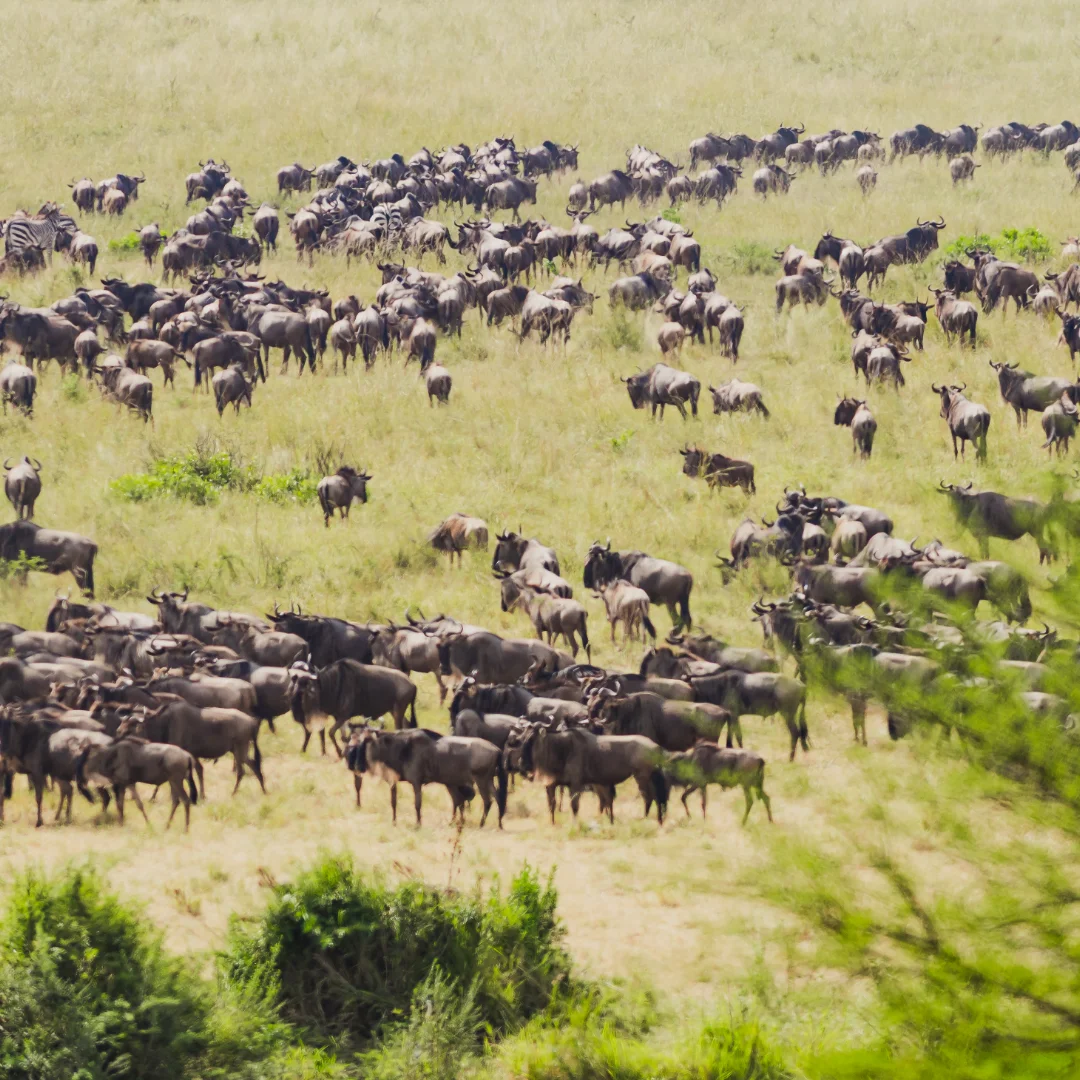
Southern Return
The herds begin their journey back toward the southern plains as the short rains arrive. A quieter period with excellent game viewing and lower camp rates.
Which Great Migration Safari Is Right For You?
5-Day Calving Migration Safari
7-Day Calving Migration Safari
7-Day Western Corridor Safari
7-Day River Crossing Safari
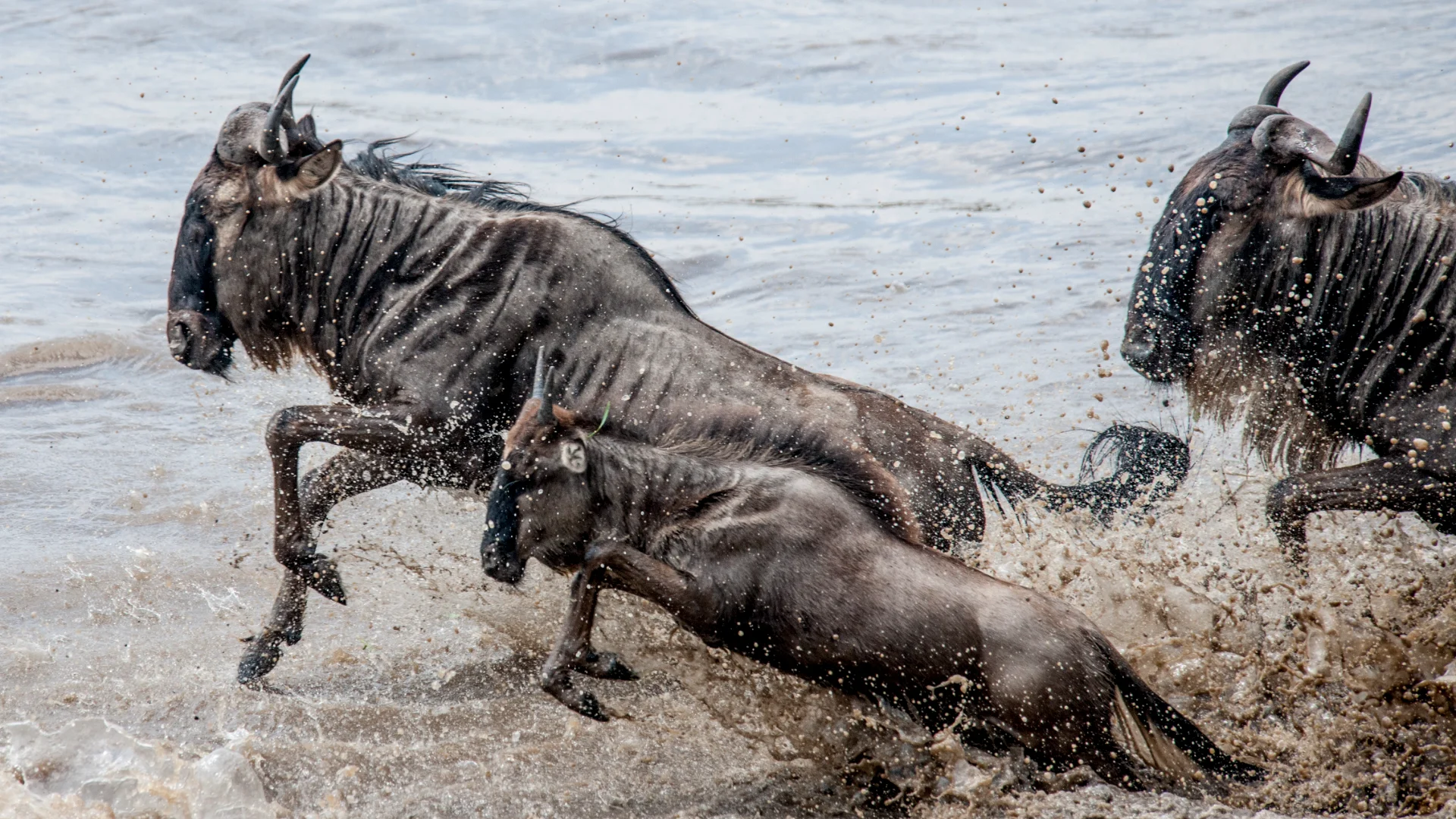
Nothing Prepares You For The Crossing
The Mara River crossings are the most dramatic moments of the migration — and they happen within Tanzania's borders.
View River Crossing SafariWhat Does A Migration Safari Day Look Like?
Early starts, golden light, and wildlife that moves on its own terms.
First light brings peak predator activity and herds on the move. Cool air and golden light make this the most productive window of the day.
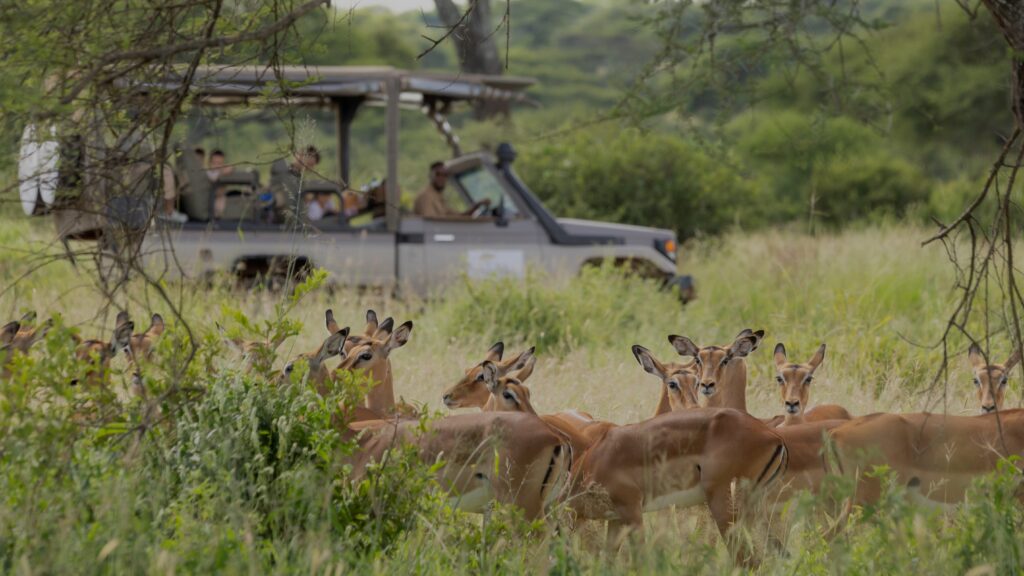

Animals seek shade as the bush quiets in the heat. Rest, eat, and debrief with your guide before the afternoon drive.
Dropping temperatures bring the herds back to life across the plains. Your guide repositions based on morning sightings to keep you close to the action.
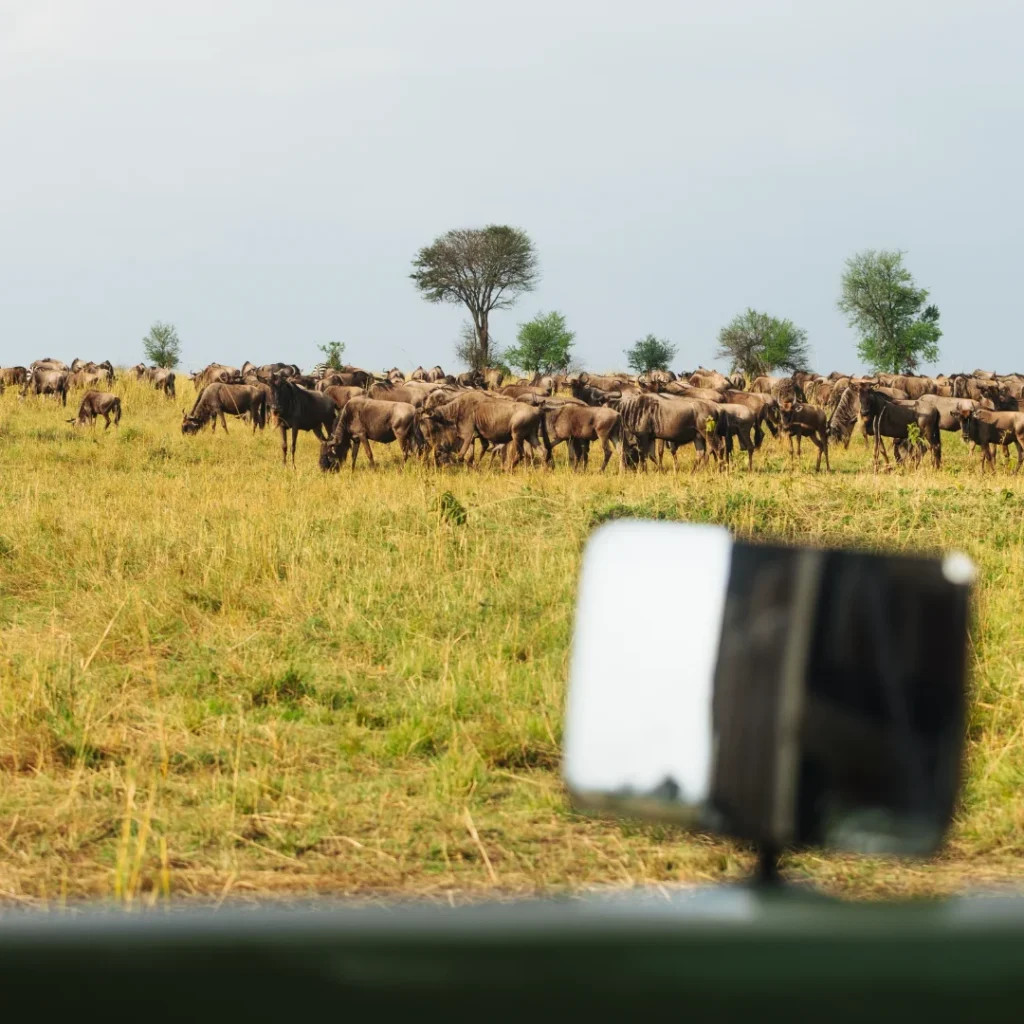
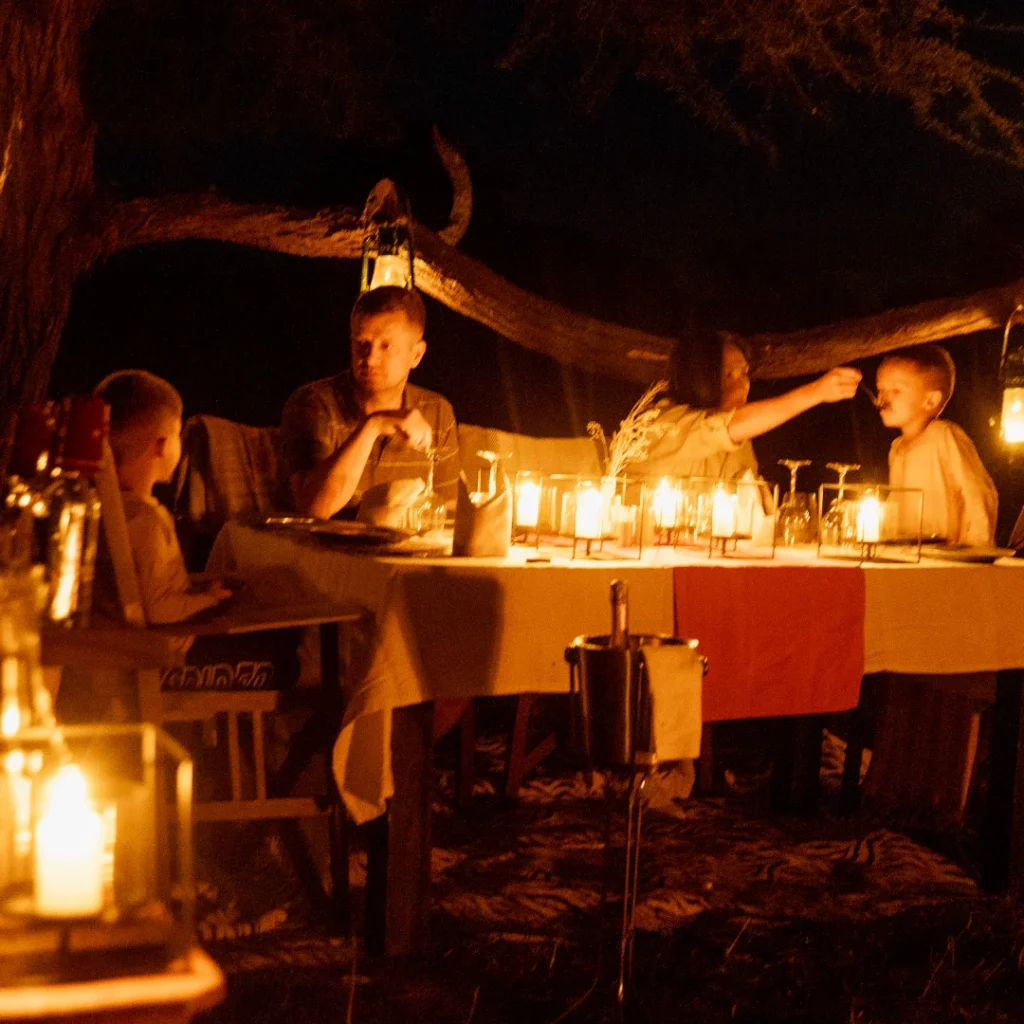
Drives end at sunset, often with sundowners in the bush. Dinner is followed by a guide briefing on the next day's herd movement.
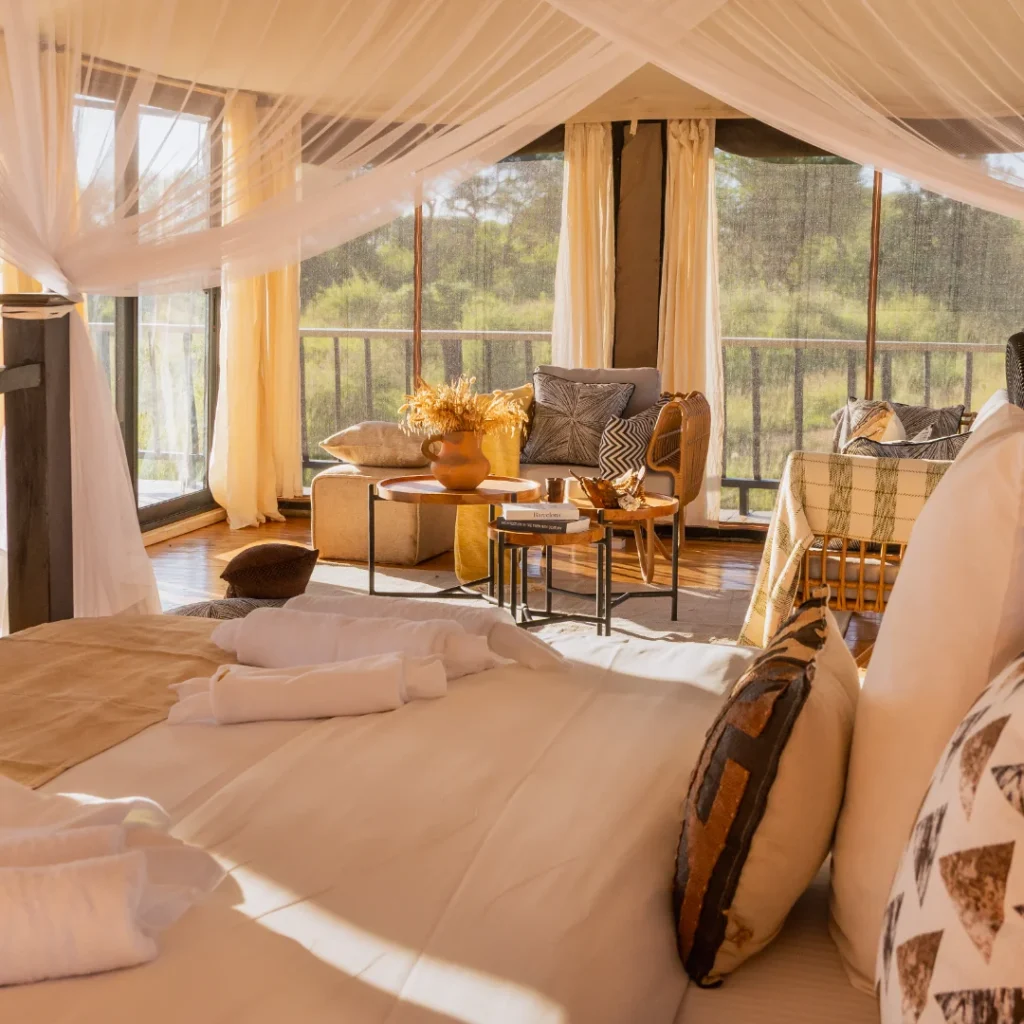
Camps are chosen based on where the herd is that season. Shorter drives to the action means more time where it matters.
Common Questions
Questions about timing, what to expect, and how to find the migration experience that fits you.
Ask Our TeamAre river crossings guaranteed?
No. The migration is a natural event and wildlife movements cannot be predicted with complete certainty. What experienced guides can do is position you in the right area and give you the best possible chance of witnessing a crossing.
What is the best time to visit?
It depends on what you want to see. Calving season runs January to March in the southern Serengeti. The Western Corridor is best from May to June. River crossings peak from July to October in the north.
How many days do I need?
Most travelers choose between 5 and 7 days for a migration-focused safari. A 5-day itinerary works well for calving season. A 7-day itinerary allows more time in migration areas and is recommended for river crossing season.
Which area of Serengeti should I visit?
The answer depends entirely on your travel dates and migration interests. Our team can recommend the best area based on when you plan to travel.
Is the Great Migration suitable for families?
Yes. Many families successfully visit during both calving season and river crossing season. Calving season is particularly accessible for all ages — the landscape is teeming with life and the pace is steady.
Do I need to go to Kenya to see the migration?
No. The wildebeest spend the majority of the year in Tanzania. Calving season, Grumeti River crossings, and a large portion of Mara River crossings all happen within Tanzania's borders. You can witness the full spectacle without leaving Tanzania.
Popular Articles
A Local Team. Deep Local Knowledge.
Local Knowledge
Our team follows migration patterns throughout the year and helps you choose the best itinerary based on your travel dates.
Tailor-Made Safaris
Every safari is customized around your interests, budget, and preferred travel period. No fixed groups — your own vehicle and guide.
Experienced Guides
Knowledgeable guides with extensive experience tracking wildlife throughout the Serengeti ecosystem year-round.
Direct Local Operator
Book directly with the team operating your safari in Tanzania. No middlemen, no commission layers — just transparent, honest pricing.
Ready To Plan Your
Great Migration Safari?
Tell us when you would like to travel, and we'll help recommend the best migration itinerary for your dates.